
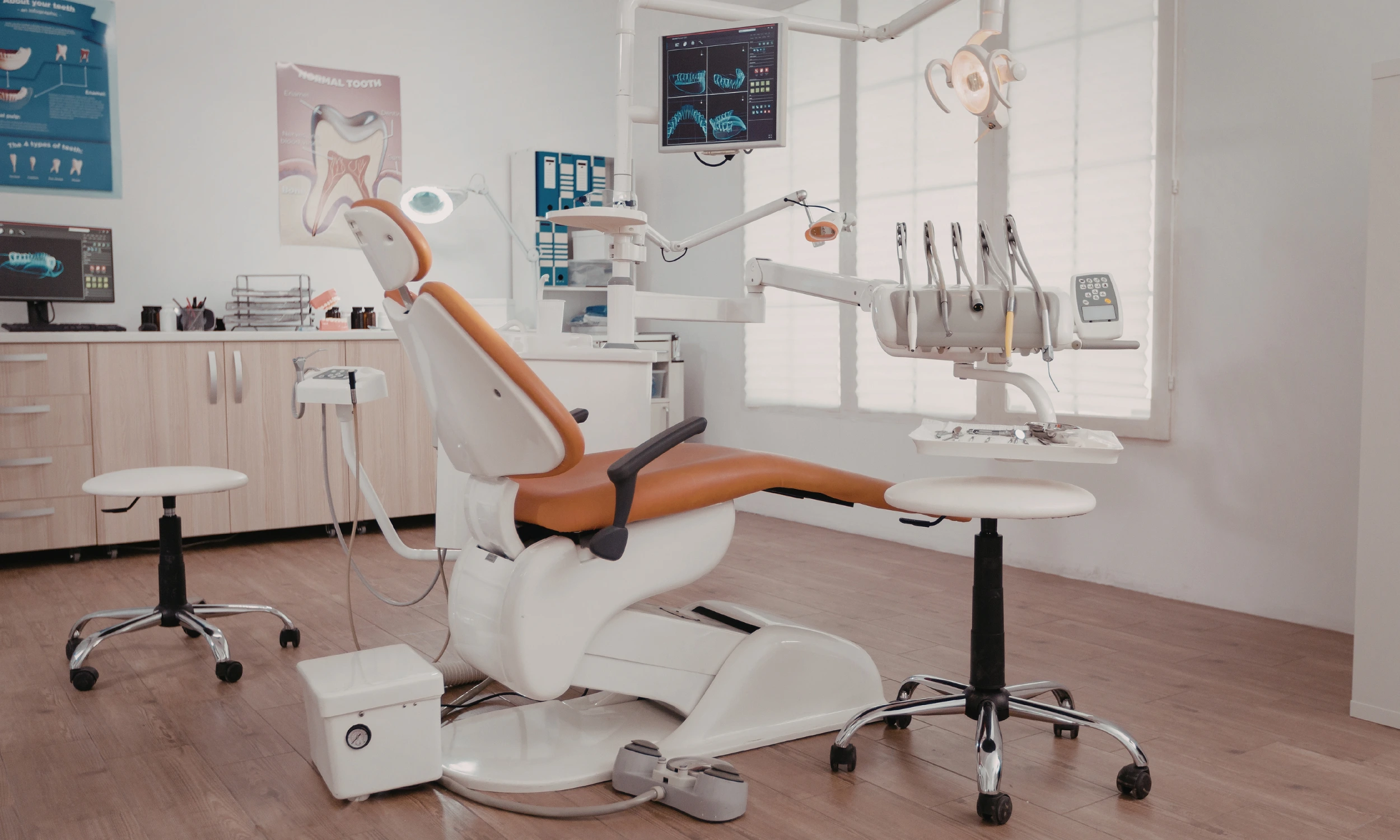
The lease is signed. The fit-out is underway. The CQC application is in progress. And somewhere between choosing dental unit colours and interviewing nurses, the question that keeps surfacing at 11pm is: how do I actually get patients through the door?
It is the question every squat practice owner faces, and it is the right one to be asking this early. A squat dental practice starts from zero. No inherited list. No word-of-mouth reputation built over a decade. No loyal patient base walking back through the door next Tuesday for their recall. You are building everything from scratch, which means your squat dental practice marketing plan is not optional; it is the business. Get it right in the first 90 days and you create momentum that compounds. Leave it until after opening day and you are already playing catch-up.
At Foxstern Dental Growth Partners, we work with practice owners across the UK, from single-surgery startups to multi-site groups, to build the systems and marketing foundations that turn new openings into thriving businesses. Here is what a serious 90-day launch plan actually looks like.
Why a Squat Practice Needs a Different Marketing Approach
A squat practice is not just a newly purchased practice with a fresh coat of paint. There is no goodwill built in, no existing Google reviews, no patients who already know your name. You are a brand new business operating in a local market where established practices have years of trust, visibility and reputation behind them.
That is not a reason to panic. It is a reason to be strategic.
The practices that build strong patient bases quickly are the ones that treat marketing as infrastructure, not an afterthought. They invest before opening day, not after. They build their digital presence while the paint is still drying. They understand that the first 90 days set the trajectory for the first two years.
Days 1 to 30: Build the Foundation Before You Open
Get Your Website Live Immediately
Your website is not a vanity project. It is your most important piece of business infrastructure, and it needs to be live, functional and optimised well before your opening day. A holding page is not enough. Patients searching for a new dentist in your area need to find a professional site that tells them who you are, what you offer, where you are located and how to book.
Your website design for dentists needs to load fast on mobile (where the majority of local searches now happen), include online booking from day one, and feature clear trust signals: your GDC registration, the clinician’s credentials, photos of the practice interior, and a warm, human introduction. A generic template with stock photography will not cut through. Neither will a site that takes four seconds to load on a phone.
Claim and Optimise Your Google Business Profile
If you do one thing in the first 30 days, make it this. Your Google Business Profile is the single most visible local marketing asset you have, and it is free. Complete every field: practice name, address, phone number, website, opening hours, appointment link, photos and your treatment categories.
This is also where your NAP consistency matters. Your business name, address and phone number must appear identically across your website, Google Business Profile, and every directory you list on. Inconsistencies here actively harm your local search rankings.
Start asking for reviews from day one. Family members who have toured the practice, early staff members, anyone who can give a genuine account of the experience. A practice with zero Google reviews looks unestablished. A practice with even five or six genuine reviews looks like it is already part of the community.
Set Up Your CRM Before You Take a Single Enquiry
Every enquiry you receive before opening day is a warm lead. If you are collecting names and email addresses through your website and not following up in a structured way, you are leaving future patients on the table.
A dental CRM built for practice growth will allow you to capture enquiries, automate follow-up sequences, send appointment reminders, and track your conversion rates from the very first week. The practices that fill their diaries fastest are the ones with systems in place from day one. Not the ones scrambling to set up a spreadsheet two months after opening.
Days 31 to 60: Build Visibility and Generate Early Enquiries
Run Targeted Google Ads from the Moment You Open
Organic search rankings take time to build. Google Ads do not. A well-structured Google Ads campaign for dentists puts your practice at the top of search results for your target keywords from the day you launch, capturing patients who are actively looking for a new dentist in your area right now.
For a squat practice, the priority in the first 60 days is generating enquiries fast. Lower-ticket treatments, check-ups, hygiene appointments and teeth whitening are the fastest way to get people through the door and begin building the local reputation that supports higher-value treatment plans over time. Your Google Ads campaign should reflect this: lead with the treatments that have the broadest local demand and the lowest barrier to booking.
Budget between £2,000 and £5,000 per month across your combined marketing activity in the first six months. That sounds significant, but it is a fraction of what underspending in the launch phase will cost you in lost revenue over the following two years.
Build a Social Media Presence That Feels Local
Patients in your area are on Facebook and Instagram. So are the school parents, the local community groups, the residents who moved to the neighbourhood six months ago and are still looking for a good dentist. Social media for a squat practice is not about going viral. It is about being visible, familiar and trustworthy within a specific local community.
Run awareness campaigns on Facebook and Instagram in your practice’s catchment area in the six to eight weeks before opening. Introduce the team. Show the practice taking shape. Share your story: why you opened here, what kind of dentistry you want to provide, what the experience of being a patient will feel like. People book with dentists they feel they know. Social media gives you the chance to start that relationship before they even walk through the door.
How much should a new dental practice spend on marketing at launch?
A squat practice at launch should budget between £2,000 and £5,000 per month for combined marketing activity covering Google Ads, social media, website SEO, and content. This investment across the first 6 to 12 months typically generates significantly higher long-term returns than underspending on launch and struggling to build a patient base organically.
Days 61 to 90: Consolidate, Optimise and Build for the Long Term
Launch Your SEO Strategy
Paid advertising delivers immediate visibility. SEO delivers sustainable, compounding growth over time. Both matter, and the best squat practice marketing plan runs them in parallel rather than treating them as an either-or choice.
In months two and three, begin building your organic search presence through optimised service pages, local content and structured technical SEO. Target the searches your ideal patients are making, such as “NHS dentist accepting new patients in [your area]”, “Invisalign near [your town]”, “dentist for nervous patients [your city]”. A thoughtful SEO strategy built in your first 90 days will start delivering organic leads within six to nine months and continue delivering them for years.
Track Everything From Week One
You cannot improve what you do not measure. From the moment your marketing goes live, you need clear visibility of which channels are generating enquiries, which enquiries are converting to booked appointments, and what your cost per new patient is across each activity.
This is where a practice growth audit becomes genuinely useful, not as an abstract exercise but as a practical tool for understanding where your marketing budget is working hardest and where it needs adjusting. Most new practice owners spend money on marketing and have no clear sense of what is working. The ones who grow fastest are the ones who treat marketing like a business investment: tracked, reviewed and optimised regularly.
Think About PR and Community Presence
Local PR is underused and undervalued by most new practice owners. A press release to local media announcing your opening, a partnership with a local school for dental health education, a presence at a local community event, these things cost relatively little and build the kind of local visibility that paid advertising cannot fully replicate. People in your community will remember the dentist who showed up, not just the one who appeared in their Instagram feed.
If you are opening in a high street location in Leeds, Manchester, Bristol or anywhere else in the UK where competition for new patients is strong, community presence is part of your new patient strategy from day one.
What marketing should a squat dental practice do before opening?
In the 60 to 90 days before opening, a squat dental practice should launch a professional website with online booking, claim and fully optimise the Google Business Profile, run awareness campaigns on Facebook and Instagram to build local brand recognition, send pre-opening PR to local media and community groups, and set up a CRM system to capture and follow up with all early enquiries.
How Long Does It Take to Fill a Squat Practice’s Diary?
This is the question every new practice owner asks, and the honest answer is: it depends on how seriously you invest in marketing from the start.
Practices that treat the first 90 days as a marketing sprint, investing in the right systems, the right visibility and the right patient experience from the outset, consistently outperform those that delay. The gap between a practice that hits 70% capacity in four months and one that takes eighteen months to get there is almost always the quality and consistency of the marketing in the launch phase.
How long does it take for a new dental practice to fill its diary?
Most new squat dental practices reach a sustainable diary fill level within 6 to 12 months of opening, though practices with strong marketing investment and systems in place from day one can reach 70 to 80% capacity within 3 to 4 months. Lower-ticket treatments such as hygiene appointments, check-ups and whitening are the fastest way to generate early cash flow while building the reputation for higher-value treatments.
The Most Common Mistakes New Squat Practices Make at Launch
Launching without a website live before opening day is probably the most common and most costly mistake. Second is underinvesting in Google Ads in the first three months, when paid visibility is doing the heaviest lifting. Third is failing to set up a CRM and letting early enquiries fall through the gaps.
The fourth, and perhaps the least obvious, is treating marketing as a department rather than a discipline. The most successful squat practice owners we work with at Foxstern Dental Growth Partners are not necessarily the ones with the biggest budgets. They are the ones who understand that every part of the patient journey, from the first Google search to the post-appointment follow-up, is a marketing moment.
Final Thoughts
If you are planning a squat practice launch and want a clear, structured plan for building your patient base from day one, Foxstern Dental Growth Partners works with new practice owners across the UK to put the right systems, strategy and marketing in place before the doors open. Reach out to the team to talk through where you are in the process and what a 90-day launch plan could look like for your practice.