- Home
- Dental Marketing
- Facebook and Instagram Ads for Dental Practices
Facebook Ads for Dentists and Instagram Advertising
Meta ads reach local people before they start searching. Used well, they fill consultation diaries for treatments like implants, Invisalign and smile makeovers. Used badly, they fill a spreadsheet with leads nobody calls back.
Do Facebook and Instagram Ads Work for Dental Practices?
Facebook and Instagram ads can work for dental practices, particularly for considered treatments such as implants, Invisalign and cosmetic dentistry, where people think for a while before booking. The ads build interest and collect enquiries from local people. Results depend on compliant creative, quick follow-up and tracking each lead to a consultation. Foxstern Dental Growth Partners connects Meta campaigns to a CRM so every enquiry is followed up and measured.
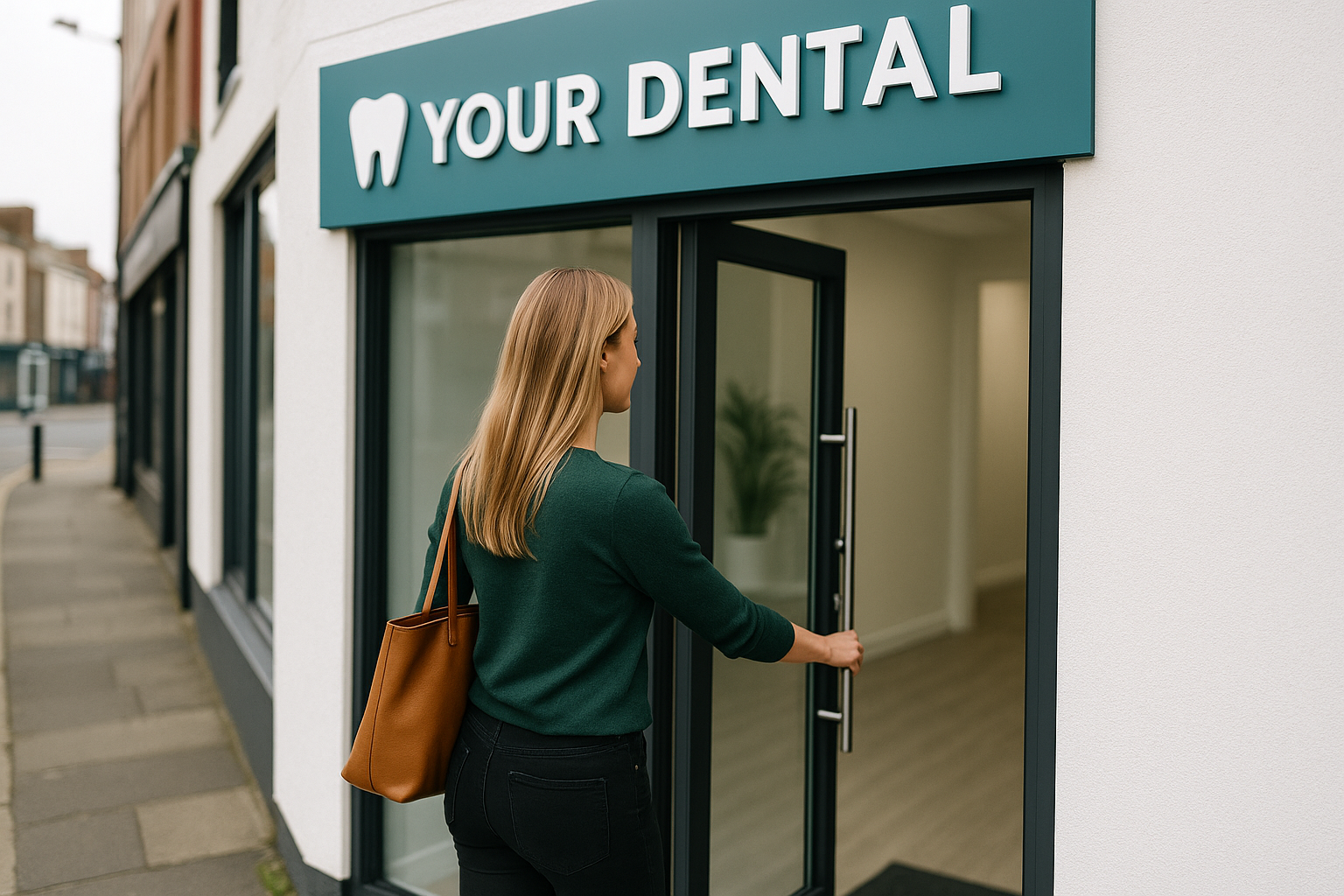
Most people scrolling Instagram aren’t looking for a dentist. That is the point. Meta lets you reach the person who has been unhappy with their smile for years and has never got round to asking about it.
Those leads are cooler than search leads, though. They need a fast, friendly reply and a clear path to a consultation. That is why we build the follow-up before we build the ads, and judge campaigns on patients booked rather than cost per lead.
What Our Dental Facebook and Instagram Advertising Includes
Treatment-focused campaigns
Campaigns built around the treatments you want more of, such as implants, Invisalign, whitening, composite bonding or new patient registrations.
Compliant ad creative
Images, video and copy written to GDC guidance and the CAP Code, with no promised results and no testimonials in clear aligner ads.
Lead forms and landing pages
Instant forms or landing pages, chosen per campaign, asking the right questions so your team knows who they are calling.
CRM and WhatsApp follow-up
Leads pass straight into your CRM with automated texts, emails or WhatsApp messages so nobody waits days for a reply.
Retargeting
Ads shown to people who have visited your website or engaged with your content, reminding them to book when they are ready.
Reporting to booked treatment
Reports that follow each lead from form to consultation to treatment accepted, so you can see what Meta spend brings back.
Leads Coming In but Not Booking?
The free growth audit looks at your ads, follow-up and conversion together, with no obligation afterwards.
Book your free growth audit →Who Are Our Dental Meta Ads For?
Our Facebook and Instagram advertising suits UK practices that want to grow considered private treatments such as implants, Invisalign and cosmetic dentistry. It works best where someone in the team can call leads back quickly and consultations are well run. Aesthetic and cosmetic-focused practices, expanding groups and practices introducing private options all fit. If follow-up is patchy, we usually set up the CRM and reception process first.
Meta ads rely on CRM follow-up and automation and a confident reception team. See all our dental marketing services.
Not Sure Where to Start?
Make an Enquiry
Related Services
How Does Our Dental Meta Advertising Work?
Each campaign follows four steps from planning to reporting.
- Check the follow-up. We look at how leads are handled today, from first reply to consultation, before any ads go live.
- Plan the offer and creative. We agree the treatment, the audience and compliant messaging that explains the treatment clearly.
- Launch with tracking. Ads, forms, CRM automations and tracking go live together, so every lead is captured and contacted.
- Measure and refine. We report on consultations and treatment booked, then adjust creative, audiences and budgets.
Frequently Asked Questions About Facebook Ads for Dentists
Facebook ads can be good for dental practices that want to grow private treatments like implants, Invisalign and cosmetic dentistry. They reach local people who may not be searching yet. The leads need quick, well-handled follow-up, because people responding to a social ad are often earlier in their decision than someone searching on Google.
Google Ads reaches people who are actively searching for a dentist or a treatment, so intent is high. Facebook and Instagram ads reach people based on location and interests before they search, which builds demand for considered treatments. Many practices use both, with Google for urgent and high-intent searches and Meta for building interest in private treatments.
Before and after photos can be used in dental advertising if they are real, unedited, show the practice's own work and are not misleading. They must follow GDC guidance and the CAP Code, so results should not be presented as typical or certain. Meta also has its own advertising policies, which can restrict how body and appearance imagery is shown.
Patient testimonials should be avoided in Invisalign and other clear aligner advertising. Foxstern Dental Growth Partners keeps testimonials out of all clear aligner ads and focuses instead on clear information about the treatment, the consultation process and what happens next. Every campaign is checked against GDC guidance and the CAP Code before launch.
Dental Facebook leads are often described as poor quality when the real issue is slow or inconsistent follow-up. A lead contacted within minutes behaves very differently from one called three days later. Weak qualifying questions, vague offers and broad audiences also play a part. Fixing follow-up and form questions usually improves lead quality more than changing the ads alone.
Both can work. Instant lead forms are quick for the patient and usually produce more enquiries, while landing pages tend to produce fewer but better-informed enquiries. The right choice depends on the treatment and how your team follows up. We often test both and judge them on consultations booked, not on the number of leads.
Dental leads from Meta ads should be contacted as quickly as possible, ideally by phone with a text or WhatsApp message as backup. Foxstern Dental Growth Partners connects lead forms to a CRM, usually GoHighLevel, so each lead gets an instant automated reply and the team gets a task to call, with reminders until the lead is booked or closed.
Instagram ads can work well for cosmetic dentistry because the platform is visual and reaches people interested in appearance. Treatments like composite bonding, whitening and Invisalign often suit it. Ads must still follow UK advertising rules, avoid promising results and steer clear of anything that could pressure people into treatment.